
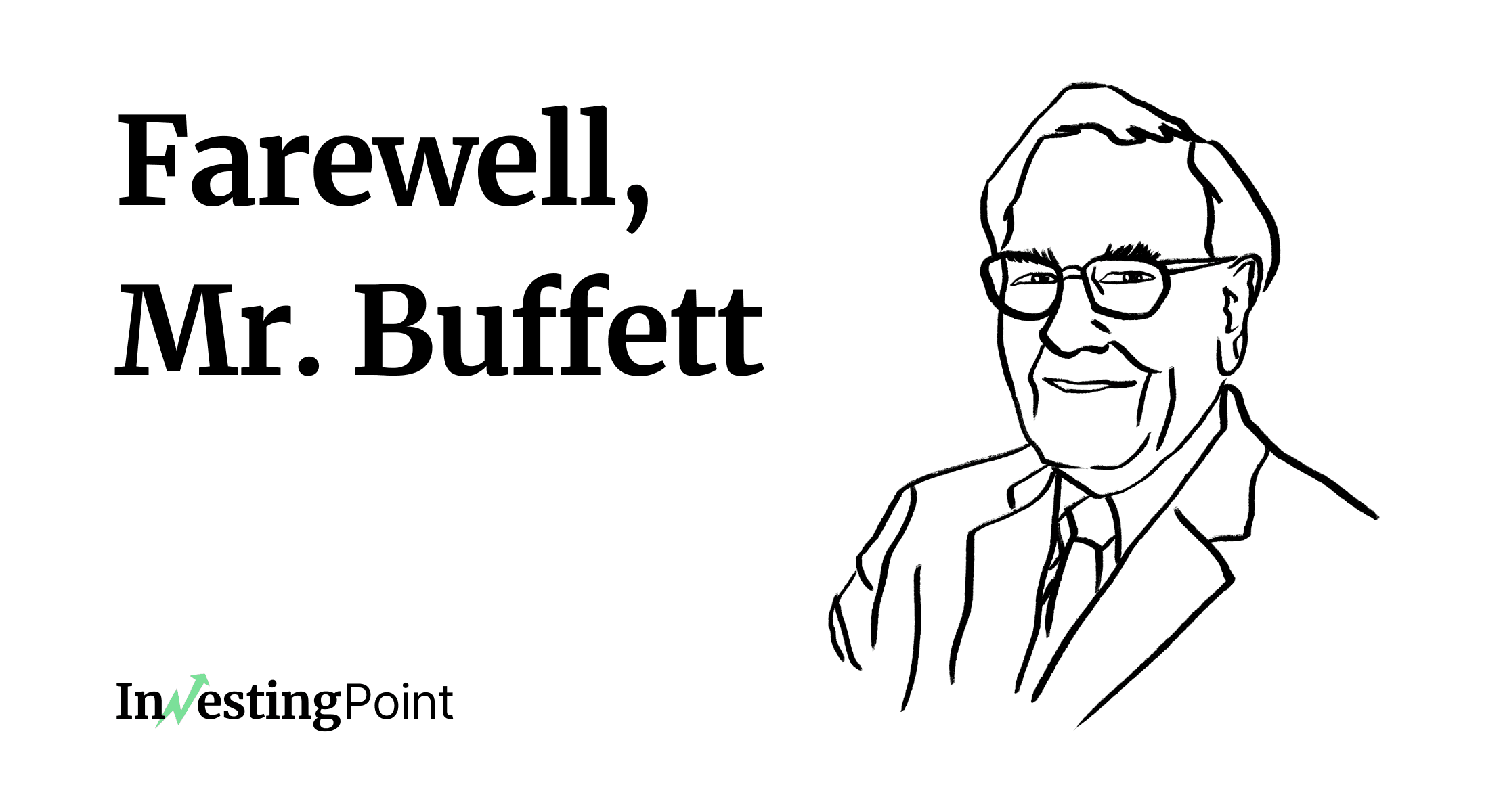
Warren Buffett, the legendary investor and long-time CEO of Berkshire Hathaway, has announced his retirement, signaling a major transition for the investment giant.
Warren Buffett, a towering figure in the world of finance, has declared his intention to retire from his role as CEO of Berkshire Hathaway (BRK). At 95, Buffett communicated his decision in a heartfelt letter to shareholders, revealing that he would step down by the end of the year. Greg Abel, currently serving as vice chairman and overseeing non-insurance operations, is poised to succeed him. This leadership change marks the conclusion of Buffett's influential leadership of over six decades, ushering in a new era for the company and its investors.
Stay Informed on Markets
Get breaking market news, trends, and analysis in your inbox.
No spam. Unsubscribe anytime.
A Historic Transition
Buffett's retirement represents a pivotal moment in the business landscape. Known as the "Oracle of Omaha," Buffett has been a pivotal figure in investing, with his strategies and insights closely observed by investors around the globe. Since he took control of Berkshire Hathaway in 1965, Buffett has transformed the company from a struggling textile business into a diversified conglomerate valued at approximately $1 trillion, encompassing sectors like insurance, railroads, and consumer goods. His tenure is celebrated not only for his financial acumen but also for his dedication to ethical business practices and philanthropy.
In his farewell letter, Buffett mentioned that he would no longer pen the annual shareholder letters or participate in the company's much-anticipated annual meetings, which have become a staple for investors. Nevertheless, he will continue a tradition of sharing a Thanksgiving message with shareholders, maintaining a connection with those who have supported his journey. These annual meetings, often dubbed the "Woodstock for Capitalists," have been crucial for Berkshire's identity, drawing tens of thousands of shareholders to Omaha to hear Buffett's insights directly.
A Commitment to Philanthropy
Reflecting on his career and values in his final correspondence, Buffett announced a significant philanthropic gesture. He converted 1,800 of his Berkshire A shares into 2.7 million B shares and donated them to four family foundations, a donation valued at over $1.3 billion. This move underscores his ongoing commitment to philanthropy. Buffett reassured shareholders that this action does not signal any doubts about Berkshire's future, affirming his confidence in the company's continued strength.
Buffett's philanthropic efforts are well-documented; he has consistently pledged to donate the majority of his wealth to charitable causes. His farewell message reiterated this commitment, ensuring shareholders of Berkshire's solid financial footing and its ability to face economic challenges. Notably, Buffett has been a key figure in The Giving Pledge, an initiative encouraging billionaires to commit a majority of their wealth to philanthropy, further highlighting his dedication to societal improvement.
Leadership Transition
The succession of Greg Abel as CEO reflects a carefully considered transition, showcasing Buffett's trust in Abel's leadership abilities. Buffett described Abel as a diligent and honest leader, expressing confidence in his capacity to guide Berkshire Hathaway. Abel, a long-time executive at the company, will inherit a firm with substantial financial resources, including a record cash reserve of $381.6 billion as of September, positioning it well to navigate future challenges.
Abel will also take on the responsibility of writing the annual shareholder letters, a role Buffett has held since 1965. These letters have become renowned for their insightful analysis and have served as educational resources for investors, highlighting Buffett's skill as a communicator. The transition to Abel is not just about continuing Buffett's legacy, but also about adapting to new challenges in a rapidly changing business environment.
Reflecting on Buffett's Legacy
In his personal farewell, Buffett reflected on his roots in Omaha and the experiences that shaped his career. He credited much of his success to the company's Midwestern base, emphasizing the importance of community and relationships. Acknowledging the realities of aging, Buffett humorously noted that "Father Time" finds him increasingly interesting. Despite his age, he remains active at Berkshire's offices, offering a personal glimpse into his life after decades in the public eye.
Buffett's legacy is marked by his unique investment philosophy, often summarized by his famous quote, "Rule No. 1: Never lose money. Rule No. 2: Never forget rule No. 1." His approach, focused on value investing and long-term growth, has not only transformed Berkshire Hathaway but has also influenced countless investors worldwide.
Stay Informed on Markets
Get breaking market news, trends, and analysis in your inbox.
No spam. Unsubscribe anytime.
The Future of Berkshire Hathaway
Buffett's departure leaves an indelible mark on Berkshire Hathaway. His leadership transformed a modest textile company into a corporate powerhouse, demonstrating his strategic vision and commitment to long-term value creation. Under new leadership, the company is expected to continue on its path of success, with Abel bringing both continuity and fresh perspectives to the table. Investors and analysts will be keenly observing how Abel manages the opportunities and challenges that lie ahead.
Berkshire Hathaway's extensive portfolio, which includes major stakes in companies like Apple, Coca-Cola, and Bank of America, provides a robust foundation for future growth. Abel's task will be to maintain the company's competitive edge and sustain its reputation as a bastion of stability and profitability in the investment world.
Buffett's Enduring Influence
Warren Buffett's retirement marks the end of a significant chapter in American business history. His influence goes beyond Berkshire Hathaway's financial achievements, encompassing ethical leadership, philanthropy, and the power of long-term thinking. While Buffett may be stepping back, his legacy of wisdom and generosity will inspire future investors and business leaders for years to come. As Berkshire Hathaway transitions under new leadership, the lessons from Buffett's tenure will continue to guide the company and its stakeholders.
Buffett's principles of patience, resilience, and ethical investing remain relevant in today's fast-paced financial markets. His retirement prompts reflection on the enduring values that have driven his success and the broader implications for business leadership in the 21st century. As Abel steps into his new role, he inherits not only a thriving company but also the responsibility to uphold the standards set by one of the most respected figures in business history.
Disclaimer: This article is for informational and educational purposes only and does not constitute investment advice or an offer to buy or sell any securities. Investing involves risk, including the loss of principal. Past performance is not indicative of future results. Analyst opinions referenced are those of third parties and are subject to change.