
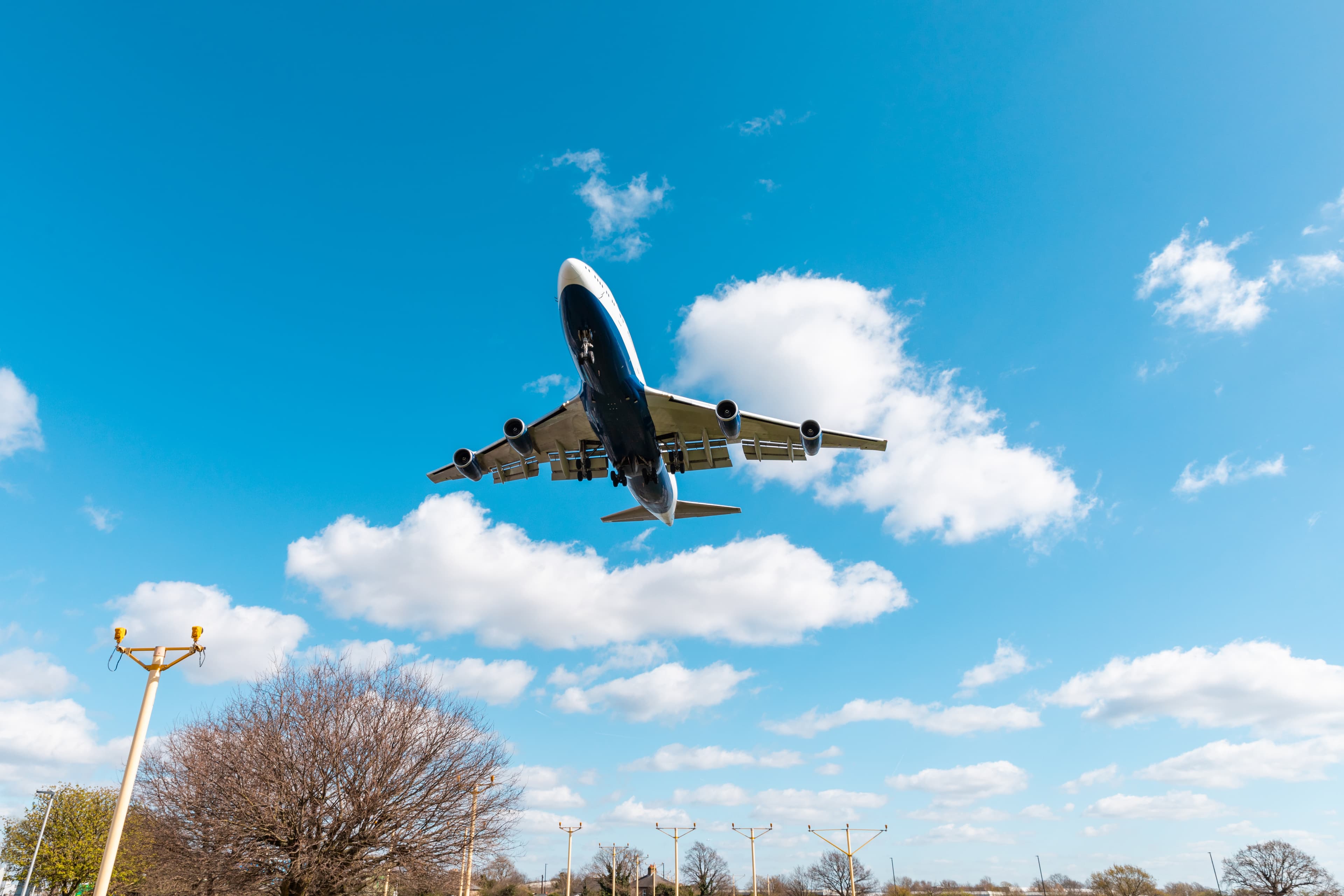
The fourth quarter of 2025 poses significant hurdles for the airline industry, with a prolonged government shutdown threatening to disrupt operations and impact earnings.
The airline industry faces a turbulent end to 2025 as it grapples with the longest government shutdown in U.S. history, now nearing its 40th day. This unprecedented event is casting a long shadow over the fourth-quarter earnings of major carriers, with potential repercussions for their financial health and operational stability. Industry leaders and analysts are closely watching how airlines adapt to these challenges as they prepare to report their financial results.
Stay Informed on Markets
Get breaking market news, trends, and analysis in your inbox.
No spam. Unsubscribe anytime.
The Shutdown’s Ripple Effect on Operations
The ongoing government shutdown has forced airlines to navigate a complex landscape of operational disruptions. According to Reuters, the Federal Aviation Administration (FAA) has mandated flight reductions, which began with a 4% cut and are expected to increase to 10% by mid-November. These cuts are a direct result of staffing shortages, as many air traffic controllers have been compelled to call out sick or seek secondary employment to make ends meet, given the lack of pay during the shutdown.
As reported by USA Today, the reduction in flight operations has already led to thousands of cancellations. Over 2,400 flights were canceled on a single day, with the FAA's requirements accounting for only a fraction of these disruptions. The situation is exacerbated by severe weather conditions in parts of the country, further complicating the airlines' ability to maintain schedules.
Financial Implications for Airlines
The financial impact of these operational challenges is significant. Airlines are not only losing revenue from canceled flights but also facing increased costs associated with accommodating stranded passengers and rebooking flights. According to Fortune, American Airlines (AAL) CEO Robert Isom has highlighted the adverse effect on holiday travel bookings, as potential travelers are deterred by the prospect of disruptions. This decline in bookings during what is typically a peak travel season could have a notable impact on revenue.
Moreover, the requirement to refund passengers for canceled flights, as per federal mandates, adds another layer of financial strain. The airlines' ability to recover from this situation will likely hinge on how quickly the government can resolve the shutdown and how efficiently airlines can restore their operations to pre-shutdown levels.
Strategic Adjustments and Market Dynamics
In response to these challenges, airlines are making strategic adjustments. United Airlines and Delta Air Lines (DAL), for instance, have proactively canceled a percentage of their flights to align with the FAA's requirements and mitigate the impact on their operations. As reported by The Associated Press, United Airlines (UAL) cut about 5% of its flights for a single day, a move indicative of the broader industry trend.
Budget carriers are also feeling the pinch. CBS News reports that Spirit Airlines has had to slash services to several cities and furlough a significant portion of its staff due to financial pressures. Meanwhile, Frontier Airlines (ULCC) is attempting to capitalize on the situation by offering premium products to attract a higher-paying customer base, a strategy that reflects the evolving market dynamics as leisure customers show a greater willingness to pay for enhanced services.
Stay Informed on Markets
Get breaking market news, trends, and analysis in your inbox.
No spam. Unsubscribe anytime.
Broader Economic and Industry Implications
The implications of the shutdown extend beyond immediate operational and financial challenges. As noted by Airlines for America, the main trade group for the industry, over 3.5 million passengers have already experienced delays or cancellations. With an expected 31 million passengers traveling between late November and early December, the strain on the system is unsustainable.
Furthermore, the shutdown highlights vulnerabilities in the aviation infrastructure, particularly in terms of staffing resilience and crisis management. As the industry grapples with these issues, there is a growing call for more robust contingency planning and support mechanisms to prevent future disruptions of this magnitude.
Looking Ahead: Recovery and Resilience
Despite the current challenges, there is a cautious optimism about the potential for recovery. As negotiations continue to end the shutdown, airlines are preparing to ramp up operations swiftly once normalcy is restored. However, as noted by industry experts, the recovery will not be uniform across all airlines and airports. Some regions and carriers may face prolonged disruptions due to varying degrees of impact and preparedness.
In the longer term, the industry may need to rethink its strategies to enhance resilience against similar disruptions. This could involve investing in technology to improve operational flexibility, diversifying revenue streams, and strengthening relationships with regulators and government bodies to ensure better coordination during crises.
The fourth quarter of 2025 is shaping up to be a pivotal period for the airline industry, with the government shutdown posing significant challenges to operations and financial performance. As airlines prepare to report their earnings, stakeholders will be keenly observing how effectively they navigate this crisis and what lessons are learned for future resilience. The coming weeks will be crucial in determining the trajectory of the industry as it seeks to recover from one of its most challenging periods in recent history.
Disclaimer: This article is for informational and educational purposes only and does not constitute investment advice or an offer to buy or sell any securities. Investing involves risk, including the loss of principal. Past performance is not indicative of future results. Analyst opinions referenced are those of third parties and are subject to change.